01 / Non-life pricing
Price the risk.
Frequency and severity analysis, segmentation, and predictive modeling to understand the cost of risk.
A head for numbers. An instinct to question.
I connect actuarial thinking, data, and a builder’s mindset to turn complex risks into clearer decisions.

Away from the models. Out in the mountains.
01 / SELECTED EXPLORATIONS
A few ways I’ve turned questions into tools.
Insurance first. Curiosity everywhere.

THE IDEA
Insurance is only useful when people understand it. BeemaBot explores a more approachable way to explain policies, support customers, and connect insurance workflows.
Discuss the project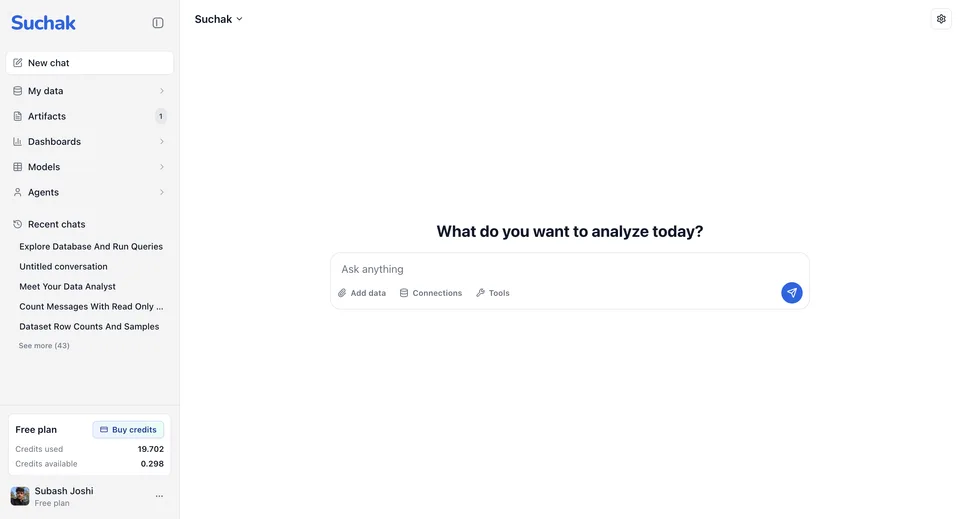
THE IDEA
An AI analyst for enterprise data: SQL agents, dashboards, and modeling workflows in one place. Built around the questions people need to answer, not just the charts they can create.
Explore the app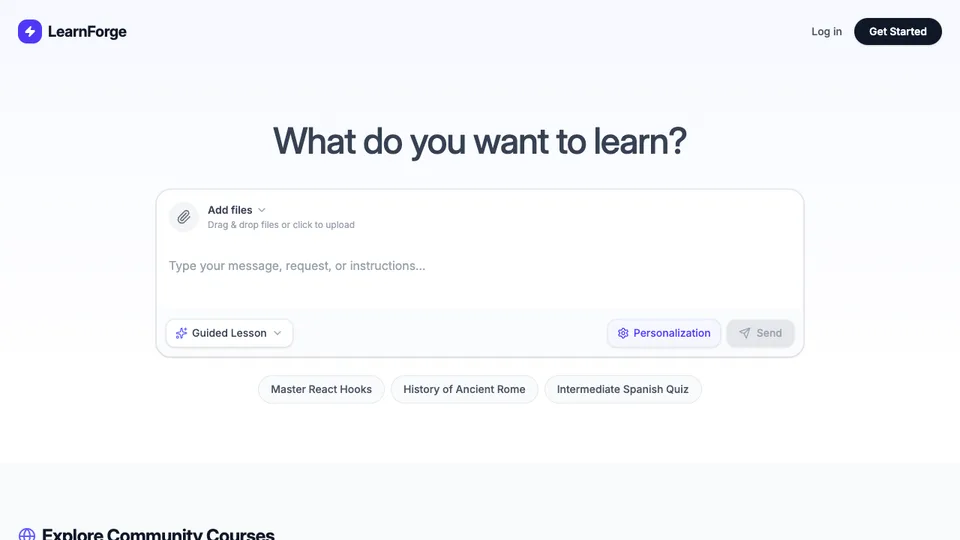
THE IDEA
A learning experiment that turns a book, PDF, or learning goal into a structured course. Guided lessons and personalized study paths help turn a pile of material into a place to start.
Explore the app02 / A LITTLE APPLIED CURIOSITY
Risk isn’t a single number.
Move the assumptions. Watch the story change.
Expected claims use 60% of premium, before expenses and other costs.
1,000 policies · NPR 10,000 premium per policy · Annual view
Frequency × average claim = expected cost per policy. Simplified illustration, excluding expenses, profit, and uncertainty margins.
03 / THE WAY I SEE IT
I’m an actuarial analyst who likes to get beyond the spreadsheet.
Based in Nepal and working at Plantsat, I bring an analytical lens to insurance: understanding risk, questioning assumptions, and finding the story in the data.
My interests span non-life pricing, reserving, and predictive modeling. I also build tools, because good analysis becomes more useful when people can actually work with it.
AI and automation are part of that toolkit. The goal stays the same: clearer thinking and better-informed decisions.
Google Advanced Data Analytics
Frequency and severity analysis, segmentation, and predictive modeling to understand the cost of risk.
Claims development, reserve estimates, and scenario analysis to explore what the numbers might become.
Clear dashboards, practical models, and thoughtful automation that bring analysis into everyday decisions.
04 / GOOD WORK STARTS WITH A CONVERSATION
A risk question, a data challenge, or something
you haven’t quite figured out yet. I’m listening.